ShopDreamUp AI ArtDreamUp
Deviation Actions

L is for Liquify
Using The Liquify Tool

This marvellous tool allows you to distort pixels - by however much you’d like. You can give peoples faces the hint of a smile, you can create a stormy sea with just a calm shot and you can create some wonderful effects making it look like you have shot an image through a glass.
Here’s a very useful tutorial:

3D-Fantasy-Art
M is for Manipulation
Of course, Surreal Photography is not all about manipulation after you have taken an image, but more about trying to use in-camera techniques to create distorted and unreal shots. Working with Shutter Speed, Aperture, Focal Points and all sorts of other creative aspects of your camera can create some extremely intriguing effects. Light trails and double exposures are just two of the more popular effects used amongst photographers.
N is for nenmayk
nenmayk is an inspiring Surreal Photographer who strives to create (and achieves) some wonderfully memorable pieces of work.


:thumb191519733:
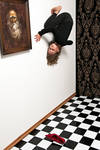
O is for Over Exposure
Overexposure is the technique of allowing too much light through to manipulate an image for the greater good. There are such things as manipulating images using over exposure for the greater bad!
Most digital cameras allow you to set the viewfinder or LCD to display the histogram either before or after the photograph has been taken.

The black bars in the exposure histogram indicate the distribution of light and dark values. You can use this knowledge to help you darken or lighten your images, sometimes creating some great surreal or abstract pieces or just general photography.
 Other Useful Links...
 A Full Interview with *AnotherImpossibilityExploring Colour Across the Galleries - Abstract What is Abstract Photography?Project Educate - Abstract and Surreal PhotographyProject Educate: Photographing Glass Project Educate: The Beauty of a BlurProject Educate: Abstract and Bokeh
The A,B,C's of Abstract and Surreal
Project Educate: A#Project Educate: #B #C and #D Project Educate: E# F# and G# Project Educate: H# I# and J# and K# Project Educate: L# M# and N# and O#Interviews
Project Educate: Interview with *SveltePhoto Project Educate: Interview with Shelagnoa Project Educate: Interview with *YourForgiveness Project Educate: Interview with *JonnieDee
Nom Nom #90 It's Christmas!!!!!
Merry CHRISTMAS! In honour of the festive day, this month's Nom Nom theme is focusing on tasty seasonal noms of the very best kind! Whether you celebrate the season or not, these tasty treats are bound to have you licking your lips and breaking out the baking utensils!
Previous Noms
Strawberries | Cinnamon | Chicken | Apples | Chocolate | Brussel Sprouts | Cocktails | Ice Cream | Spaghetti | Raspberries | Pineapple | Bread | Rice | Blueberries | Cupcakes | Tea | Cherries | Toast | Cheesecake | Soup | Apple Pie | Casserole | Halloween | Sausage | Pie | Macaroons | Sushi | Christmas | Peppers | Chinese Food | Eggs | Ham | Garlic | Tomatoe |
Sometimes when you're not looking...
The best things pop up in your newsfeed. And oh my gosh I've been getting to know my newsfeed again today. Things actually appear in there. I'm ashamed to say that when I was a CV a lot of the time it became a click and delete activity, because there was so much. I lost touch with people, I lost touch with a lot of what I wanted to do and what I was interested in. So with this in mind, I found Farand (https://www.deviantart.com/farand)'s latest journal really poignant as he shared this quote...
"The important point for us is to realise that we are basically good. Our only problem is that sometimes we don't actually acknowledge that goodness. We don't see it, so we blame
Nom Nom 89#
This time around, the Tasty Nom has been suggested by cookielover17 (https://www.deviantart.com/cookielover17) who suggested that I put together a feature of Childhood Nostalgia images. It's hard to do because we've all likely had so many different memories across the world, but here are just a few I found when I searched! What are your favourite childhood treats and recipes?
Previous Noms
Strawberries | Cinnamon | Chicken | Apples | Chocolate | Brussel Sprouts | Cocktails | Ice Cream | Spaghetti | Raspberries | Pineapple | Bread | Rice | Blueberries | Cupcakes | Tea | Cherries | Toast | Cheesecake | Soup | Apple Pie | Casserole | Halloween | Sausage | Pie | Macaroons | Sush
This is where I leave you
I just love dramatic titles. I'm not leaving you though, but yes today is the day that things change after such a long time.
I started my Volunteer career on DeviantArt in July 2010. So that means I've been floating around your inboxes, DDing, writing articles and doing lots of photography related shenanigans for over half a decade. Of course, I started out long before that but offically and all that, it's been over five years.
Half a decade. A Demi-Decade. Five years. I have to say that it has flown by. From the day that I first pestered moonbeam13 (https://www.deviantart.com/moonbeam13) into letting me oversee a gallery that technically wasn't vacant (Abstract and Surreal
Featured in Groups

© 2011 - 2024 Kaz-D
Comments1
Join the community to add your comment. Already a deviant? Log In

 I bet ZZZZ is where you get to rest!
Am thoroughly enjoying this series of articles - thanks for the hard work
